

Why Showing Up Honestly Is the Best Sales Strategy ?
I Almost Bought It. Three Times.
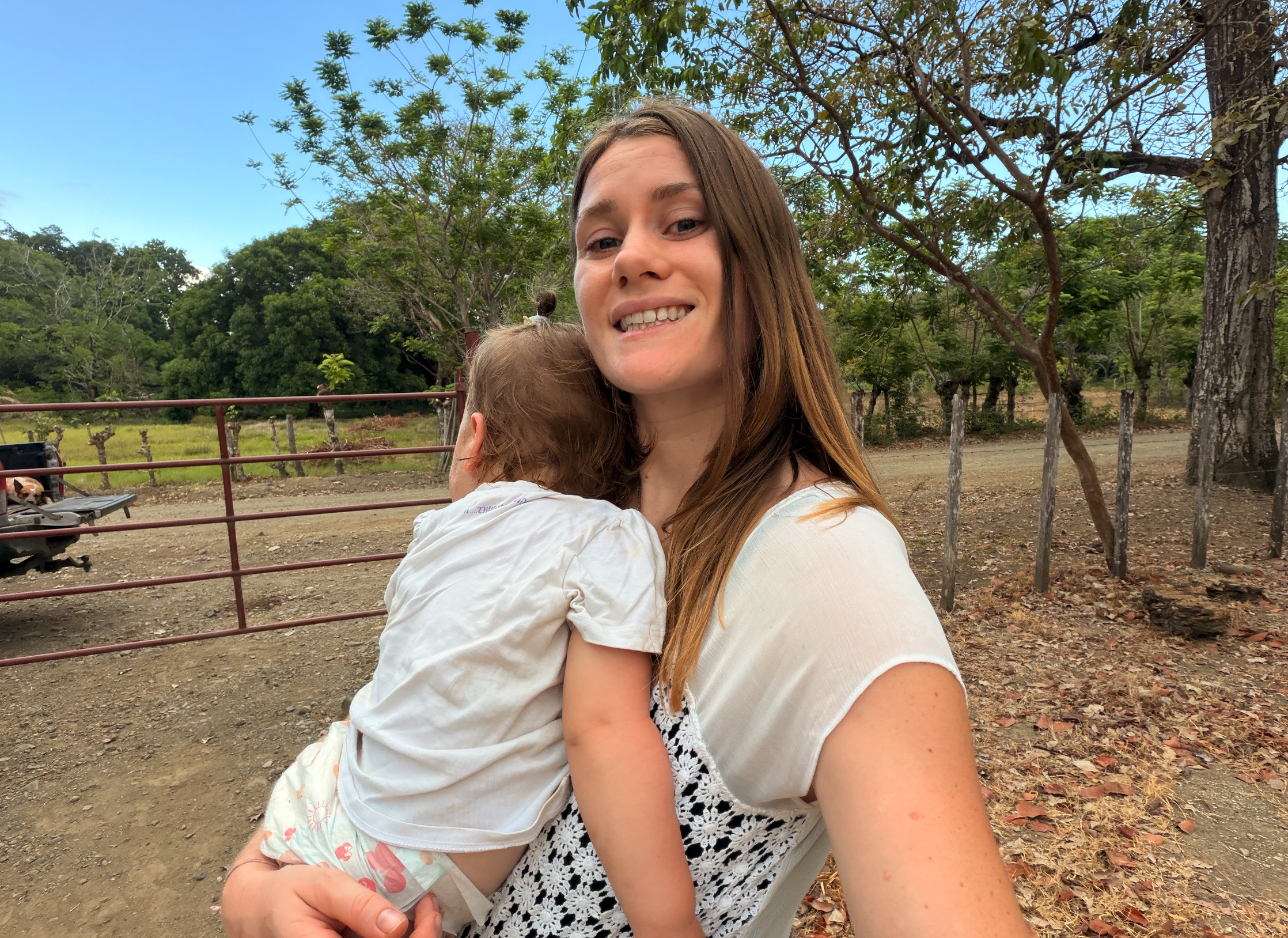
My daughter doesn't sleep 8 hours a night yet. She's 15 months old.
Some nights I'm exhausted in a way that's hard to put into words. And somewhere in that exhaustion, I've almost clicked "buy" three times on a program promising to fix this. In three days. Guaranteed.
I know the promise is inflated. I know the pain is real and they know exactly where to push. And I still almost bought it.
That's what makes it effective. And that's exactly what makes it wrong.
I work with wellness entrepreneurs on visibility and selling. I think about this dynamic a lot. Because the question isn't whether you can market that way. The question is whether you want to.
There's a filter I use before any piece of content, any offer, any sales email I put into the world. Would I be okay if my daughter saw this one day? Would I be proud of it?
That filter has changed how I show up and how to sell authentically as a wellness entrepreneur. This post is about what I've seen on the other side of it.
Why Fear-Based Marketing Is Getting Harder to Pull Off
The wellness space runs on real pain. Burnout. Loneliness. Body image. Anxiety. Disconnection.
That pain is valid. And there are people doing genuinely good work to help with it.
But there's also a pattern in wellness marketing that has learned to speak directly to the worst moment someone is having. And make promises that are, at best, exaggerated. "Heal your nervous system in 21 days." "Finally lose the weight for good this time." "The method that will make your baby sleep through the night."
These work in the short term. They don't work long term.
According to a 2024 survey of 10,000 U.S. consumers by Qualtrics XM Institute, only 50% of consumers had confidence in the brands they do business with. The lowest level recorded since 2016. Among Gen Z, that number drops to 28%.
People are paying attention. They notice when the promise doesn't match the reality. And in wellness, where clients are trusting you with something personal, that gap costs you more than a refund request. It costs you your reputation.
The market is shifting. The wellness entrepreneurs who understand this early are the ones who will still be standing in five years.
The Simplest Visibility Advice Nobody Follows
Act online the way you would in real life.
That's it. That's the whole thing.
Imagine sitting across from a friend who is going through something hard. A health scare. A difficult season. A feeling that nothing is working. Would you lean in and say: "This is your last chance. The window is closing. Act before it's too late."
No. Because that would be manipulative. And you'd lose the friendship.
But this is exactly what a large portion of wellness marketing does every day. To strangers who are in vulnerable moments.
The reason it feels acceptable online is that we've been taught that "marketing mode" is different from real-person mode. That the rules change when you open a content calendar.
They don't.
Research from WiserNotify and Edelman (2025) shows that 81% of consumers need to trust a brand before buying from it. And 67% say trust is required to continue purchasing. Trust isn't a soft value. It's a hard conversion requirement.
The wellness entrepreneurs who convert consistently, without pressure tactics, tend to do one thing differently. They speak to potential clients the same way they'd speak to someone sitting in front of them. Warm. Honest. Specific about what they can and can't deliver.
That's not weakness. It's the highest-converting approach available right now.
How to Sell Your Wellness Offer Without Feeling Pushy
This isn't about being soft. It's about being precise.
There's a difference between naming a real situation your client is in and amplifying their fear to force a decision. One invites the right person. The other pressures everyone and builds resentment.
Vague fear: "If you don't act now, you'll keep suffering." Specific truth: "If you've been posting for six months and still have no inquiries, your message probably needs work. Not more content."
The second one lands because it's honest. It's specific enough to reach the right person and easy enough to ignore for everyone else. That's the point.
Before writing any marketing claim, ask: can I point to a real result that matches this promise? Not the best-case outcome. The typical outcome, for a real person who followed through. Exaggerated promises convert once. Honest ones convert for years.
And before any content goes out, a caption, an email, a sales page, pause and ask: would I be okay if someone I care about read this in their most vulnerable moment? If the answer is no, rewrite it. The version that comes after that question is always better.
Give something real before you ask for anything. A practical answer. A piece of content that helps someone move forward whether or not they ever buy from you. That's not just ethics. It's what builds the kind of trust that makes a sale feel like a natural next step rather than a pressure moment.
One of my clients, Loren, is a yoga teacher and a beautiful writer. She hated social media. She didn't want to show her face, her kids, her daily life. The stuff everyone seems to think you have to share to get clients. She thought that meant she couldn't sell.
So instead of forcing herself onto Instagram, she leaned into what actually felt right. A newsletter. Writing with real heat about what she believed, what yoga had given her, what she wanted her students to feel in the room. No performance. No strategy borrowed from someone else's playbook.
She sold out her 15-person yoga retreat faster than she ever had posting on Instagram.
Because her audience already trusted her. They had been reading her for months. When she said "I'm opening a retreat," the response wasn't "tell me more." It was "where do I sign up."
That's what an honest, consistent presence builds. Not reach. Readiness.
What Stays
The wellness entrepreneurs I've watched build something real, a community, a client base that refers others, a reputation that doesn't need a new funnel every quarter, are not the ones with the most aggressive marketing.
They're the ones whose clients trust them before they've even had a conversation.
That trust doesn't come from clever copy. It comes from showing up the same way every time. Online and off. Saying what you mean. Promising what you can deliver.
My daughter will see how I worked one day. She'll see the content I made and the way I talked to people.
That thought keeps me honest. It might keep you honest too.
The question worth sitting with: when someone finds you online, do they feel like they just met a real person — or walked into a sales funnel?
Check Where Your Visibility Stands Right Now
If you want to know whether your current message is built on real positioning or subtle pressure, the fastest way is a quick audit.
I made a free 5-minute Visibility Audit that shows you exactly where your message is losing people. Before you spend more time on content that isn't working.
Take the free Visibility Audit here →
Or if you're ready to work on this properly, message, voice, visibility strategy, that's what Spark Club is built for.
[Learn more about Spark Club →]
Margaux Borderieux is a visibility strategist working with wellness entrepreneurs, coaches, and retreat leaders. She's the founder of Tropical Marketing and the host of the upcoming podcast "Say Less, Mean More."
Sources:
Qualtrics XM Institute, Consumer Trust Survey, January 2024 — customerexperiencedive.com
WiserNotify / Edelman Brand Trust Statistics, 2025 — amraandelma.com
